

Download our "My Care App" from the menu to talk to us in Real-Time, even from 35,000ft up.
Why Choose Us?
Our team provides comprehensive vein evaluation and personalized treatment plans using the most advanced minimally invasive techniques. Get back to looking your best!
Vein Care
Our treatments encompass the diagnosis and management of various vein-related conditions, with a focus on improving your vein health and appearance.
Pain Care
We focus on helping patients without relying solely on medications. Our goal is to help patients get back to their normal lives and be able to do the things they enjoy.
Orthopedic Care
We provide customized orthopedic treatment plans tailored to your needs. Our goal is to help you live a pain-free life.

Our Doctors
are experienced medical professionals at treating vein, pain and orthopedic related issues. We are dedicated to providing vein care, pain relief and treatments for your orthopedic concerns, creating a customized treatment plan, and improving your quality of life.
-
Drs. Feghhi and Babus are physicians who focus on helping patients without relying solely on medications. They help patients get back to their normal lives to be able to do the things they enjoy.
-
They believe in using different treatments, like therapy and exercises, as well as minimally invasive interventions and therapies.
-
We listen carefully to each patient and create a personalized plan to address the root causes of their venous insufficiency, pain and orthopedic issues.
Veinous Insufficiency
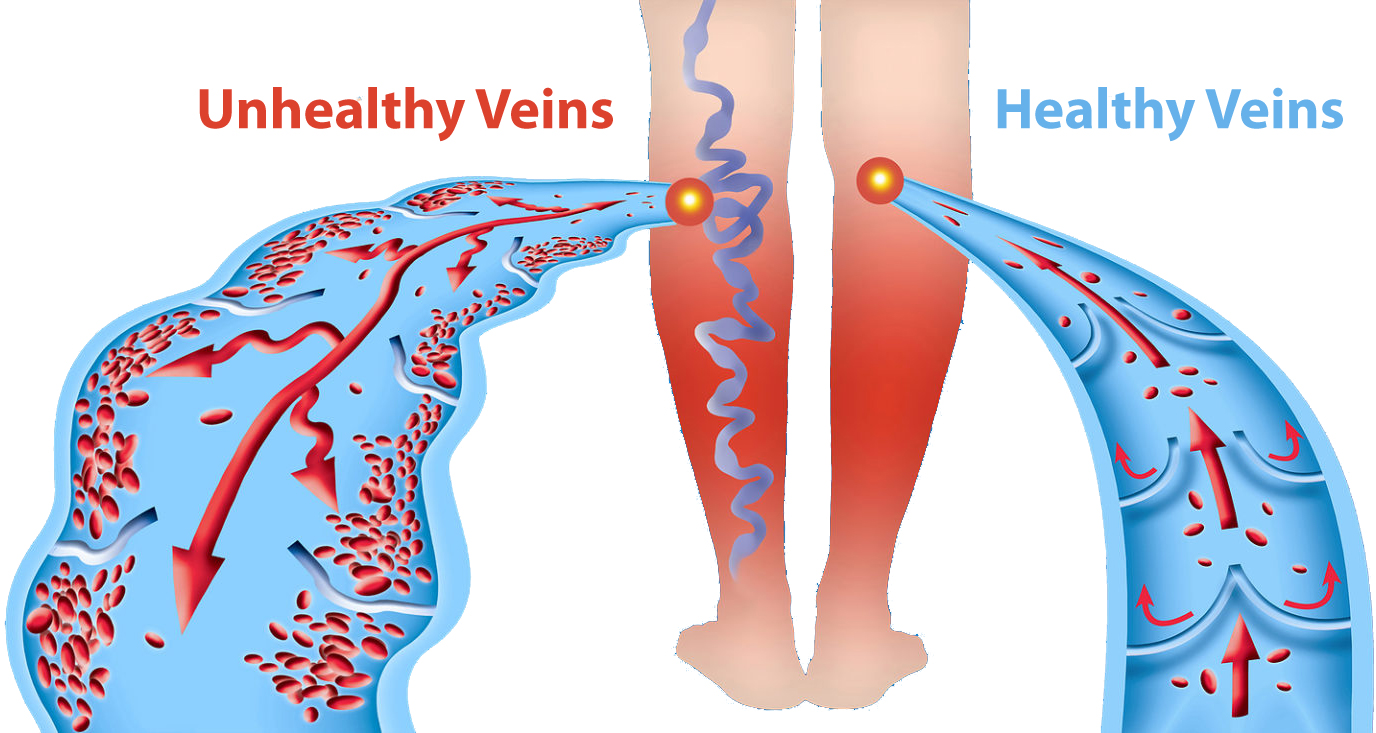
Healthy leg veins contain valves that open and close in one direction to assist the return of blood back to the heart.
Veinous insufficiency exists when the valves that keep blood flowing out of the legs and back to the heart become damaged or diseased.
This causes pressure to build up in the leg veins.
How we treat Veinous Insufficiency
Here is a short list of some of the procedures we perform to treat your unhealthy veins.
Endovenous Thermal Ablation
Endovenous thermal ablation (ETA) is a minimally invasive procedure used to treat varicose veins. It involves using a catheter to deliver heat, like radiofrequency or laser energy, to the affected vein, causing it to collapse and seal shut. The heat damages the vein's walls, which then shrinks and seals, preventing further reflux and reducing venous pressure. This process is often used as an alternative to traditional vein stripping surgery.
Microphlebectomy
Microphlebectomy is a minimally invasive outpatient procedure to remove varicose veins. It involves making tiny incisions in the skin to remove the veins, often done without sutures or general anesthesia. This procedure, also known as ambulatory phlebectomy, stab phlebectomy, or phlebectomy, is used to treat larger or surface varicose veins. .
Ultrasound Guided Sclerotherapy
Ultrasound-guided sclerotherapy is a procedure that uses ultrasound imaging to guide the injection of a sclerosant solution into varicose veins. This causes the veins to collapse and seal, redirecting blood flow to healthier veins. The body then reabsorbs the treated veins over time.
Injection Sclerotherapy
Injection sclerotherapy is a minimally invasive procedure used to treat varicose veins and spider veins by injecting a solution directly into the affected veins, causing them to shrink and eventually disappear. It's a common outpatient procedure, particularly effective for smaller varicose veins and spider veins.
Iliac Vein Intravascular Ultrasound (IVUS)
Iliac vein intravascular ultrasound (IVUS) is a minimally invasive procedure used to diagnose and guide treatment for iliac vein compression or obstruction. It involves inserting a catheter with an ultrasound probe into the iliac vein to visualize the vessel's interior, assess the degree of compression or stenosis, and identify abnormalities like thrombus or wall thickening.
VeinGogh
VeinGogh is a medical device that uses a radiofrequency ohmic thermolysis technique to treat spider veins and telangiectasias (small, dilated blood vessels near the skin's surface). It works by delivering a precise, high-frequency electrical current through a very fine, insulated probe to heat and coagulate the targeted vein, causing it to collapse and eventually be reabsorbed by the body.
Pro-Nox
Pro-Nox is a patient-controlled inhaled analgesic system that delivers a 50/50 mixture of nitrous oxide and oxygen to help manage pain and anxiety during various medical and cosmetic procedures. It is commonly used in aesthetic treatments like laser procedures, injections, and microneedling. Pro-Nox provides fast-acting pain relief and relaxation by triggering the release of endorphins and dopamine in the brain.
Talk To Us
Frequently Asked Questions
What is venous insufficiency?
• Venous insufficiency, also known as venous reflux, occurs when the valves in your veins, particularly in your legs, don't close properly.
• This malfunction allows blood to flow backward and pool in the lower legs, increasing pressure on the vein walls.
• The pooling of blood can cause various symptoms and, if severe and chronic, can lead to chronic venous insufficiency (CVI).
What are the symptoms of venous insufficiency?
• Common symptoms: include leg pain, aching, cramping, swelling (edema), and a feeling of heaviness or tiredness in the legs.
• Skin changes: can also occur, such as discoloration (reddish-brown), itching, flaking, or the development of ulcers (open sores), usually around the ankles.
• Varicose veins, which are enlarged, twisted veins visible on the skin's surface, are also a common sign.
• In some cases, restless legs syndrome or nighttime cramping can be a symptom.
What causes venous insufficiency?
• Deep vein thrombosis (DVT), a blood clot in a deep leg vein, is a common cause.
• Weak or damaged valves: in the veins can also lead to the condition.
• Other factors: include increasing age, pregnancy, obesity, prolonged standing or sitting, and a family history of vein problems.
Can venous insufficiency be reversed?
• Venous insufficiency cannot be fully reversed, as damaged veins cannot be repaired.
• However, treatments focus on managing symptoms and preventing further progression of the condition.
What are the treatment options for venous insufficiency?
• Compression stockings: These help improve blood flow and reduce swelling.
• Lifestyle changes: These include regular exercise, weight management, and avoiding prolonged standing or sitting.
• Minimally invasive procedures: These can include closing off or removing dysfunctional veins.
• Medications: In some cases, medications may be prescribed to manage symptoms or prevent complications.
What happens if venous insufficiency is not treated?
• If left untreated, CVI can lead to worsening symptoms, including more severe pain, skin changes, and the development of painful and slow-healing ulcers.
• In rare cases, it can lead to serious complications like deep vein thrombosis (DVT) or pulmonary embolism.
When should I seek medical advice?
• If you experience any of the symptoms mentioned above, especially if they are painful, worsening, or not improving with self-care measures like compression stockings.
• If you have a sudden increase in leg pain or swelling, fever, or redness of the leg.